

1. Maintenance and Upkeep
Screw-type water-cooled chiller units typically have an operating time of approximately 3000 hours per year (based on my country’s climate and geographical conditions). To ensure the long-term safe and reliable operation of the unit, extend its service life, and reduce operating costs, regular and scientific maintenance and upkeep are crucial.
Daily maintenance and upkeep during unit operation and maintenance are referred to as preventative maintenance. It is the responsibility of developing targeted annual and monthly maintenance and upkeep plans based on the actual operating conditions of the unit, and to conduct daily and periodic maintenance.
2. Shutdown
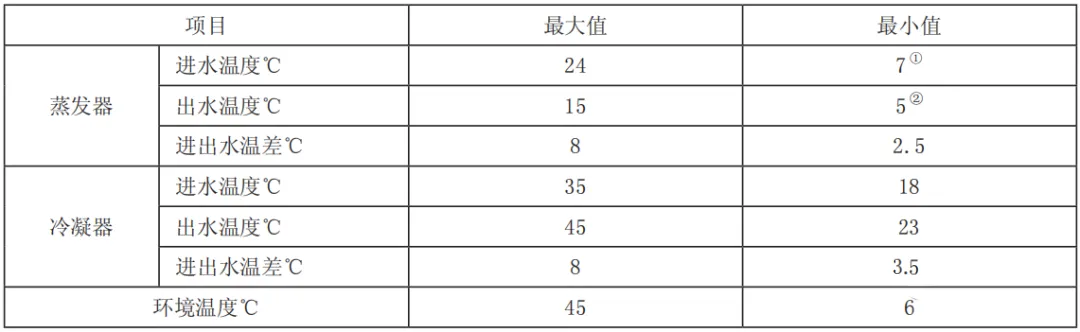
When shutting down in winter, clean and dry the internal and external surfaces of the unit; the drain valve must be opened to drain all water from the shell-and-tube heat exchanger to prevent freezing.
The shutdown sequence for the chiller unit is: Chiller unit shutdown – Cooling tower fan shutdown – Cooling water pump shutdown – Chilled water pump shutdown.
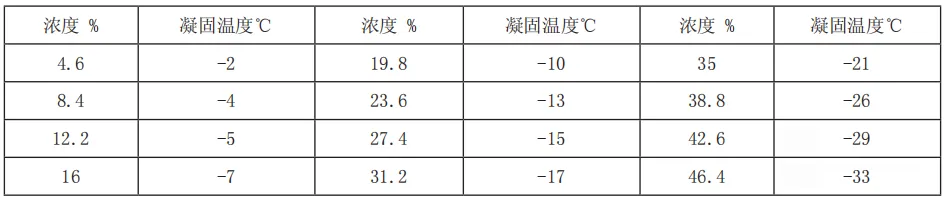
If severe icing occurs in the flow channels of the shell-and-tube heat exchanger, it may cause the heat exchanger to crack and leak. Frozen damage is not covered under warranty; therefore, special attention must be paid to freezing prevention:
(1). When shutting down for standby at low ambient temperatures, if the unit is placed in an outdoor environment with a temperature below 0°C, the water in the evaporator and condenser must be drained.
(2). During operation, if the chilled water flow switch fails, the water pipes may freeze; therefore, the flow switch must be interlocked with the unit.
(3). During maintenance, charging the unit with refrigerant or releasing refrigerant for maintenance may cause the water in the evaporator to freeze. Make sure the water in the evaporator is kept flowing or that the water is completely drained.
3. Start-up
After a prolonged shutdown, the following preparations should be made before starting the unit:
(1). Thoroughly inspect and clean the unit.
(2). Clean the water piping system.
(3). Inspect the water pump.
(4). Tighten all wiring connections.
(5). Preheat the unit’s compressor as required.
The start-up sequence for the chiller unit is:
Cooling tower fan on – Cooling water pump on – Chilled water pump on – Chiller unit.
Common Fault Analysis and Troubleshooting
| hitch | Possible Reasons | Detection and Elimination Methods |
| Excessive exhaust pressure | The system contains air or other non-condensable gases. | Evacuate gases from the fluorination nozzle and, if necessary, re-vacuum. |
| Cooling tower fan malfunction | Maintain the cooling tower fan and restore its operation. | |
| Excessive inspiratory pressure | See “Excessive inspiratory pressure” | |
| The ambient temperature is too high. | ||
| The flow rate of the cooling water is too low. | Check the cooling water system and increase the water flow rate. | |
| The compressor oil level is too low | Check the oil level in the sight glass and add refrigerating oil if necessary. | |
| Exhaust pressure is too low | Excessive low inspiratory pressure | See “Insufficient inspiratory pressure” |
| Refrigerant leak or insufficient charge | Leak detection and refrigerant charging | |
| The cooling water temperature is too low. | Check whether the cooling tower capacity is too large or the ambient temperature is too low. | |
| Excessive inspiratory pressure | Excessive exhaust pressure | See “Excessive exhaust pressure” |
| Excessive refrigerant charge | Release some of the refrigerant. | |
| The liquid refrigerant flows from the evaporator to the compressor. | ||
| The inlet temperature of the chilled water exceeds the maximum allowable value. | Check and adjust the expansion valve to ensure its temperature-sensing element makes tight contact with the suction pipe and is completely insulated from the external environment. | |
| Excessive low inspiratory pressure | The drying filter is clogged. | Replace the filter element of the drying filter |
| The expansion valve is not properly adjusted or is faulty. | Set the temperature to the appropriate superheating level, or check whether there is any leakage in the expansion valve’s temperature sensing element. | |
| Insufficient refrigerant in the system | Leak detection and refrigerant charging | |
| The inlet temperature of the chilled water is significantly lower than the specified temperature value. | ||
| Insufficient chilled water flow | Check whether the pressure in the evaporator’s inlet and outlet pipelines is too low, and adjust the chilled water flow rate accordingly. | |
| The compressor shuts down due to high-pressure protection. | The temperature of the cooling water is too high. | |
| Cooling tower fan malfunction | Maintain the cooling tower fan. | |
| The high-voltage shutdown setting value is incorrect | Check the high-voltage switch | |
| The compressor stopped operating due to motor overload. | The voltage is too high or too low | The measured voltage shall not exceed or fall below ±10% of the rated voltage. |
| Excessive exhaust pressure | See “Excessive exhaust pressure” | |
| The cooling water temperature is too high. | Check whether the cooling tower has insufficient capacity. | |
| Overload component failure | Check the compressor’s current and compare it with the specified full-load current rating. | |
| Short circuit in the motor or wiring terminals | Check the resistance values corresponding to the motor and its terminals. | |
| The compressor stopped operating due to the activation of its built-in temperature protection switch. | The voltage is too high or too low | Check the voltage; it must not exceed the specified range. |
| Excessive exhaust pressure | See “Excessive exhaust pressure” | |
| The inlet temperature of the chilled water is too high. | ||
| The built-in temperature protection switch in the compressor is malfunctioning. | Replace Component | |
| Insufficient refrigerant in the system | Check for any fluorine leakage. | |
| The compressor has been shut down due to low-pressure protection. | The drying filter is clogged. | Replace the filter element of the drying filter |
| Expansion valve failure | Adjust or replace the expansion valve. | |
| The low-voltage shutdown setting value is incorrect | Check the low-voltage switch | |
| Insufficient refrigerant | Fill with refrigerant | |
| The compressor is producing a lot of noise. | Insufficient refrigerating oil in the compressor | Check the oil level in the sight glass and add refrigerating oil if necessary. |
| The compressor cannot start. | The overcurrent relay tripped, and the fuse burned out. | Replace the faulty component |
| The control circuit is not activated | Check the wiring of the control system. | |
| No current | Check the power supply | |
| High-voltage protection or low-voltage protection | See the section on suction and exhaust pressure faults earlier. | |
| Contactor coil burned out | Replace the faulty component | |
| Power supply phase connection error | Reconnect and adjust two of the wires. | |
| Water system malfunction; the water flow switch has been disconnected. | Check the water system | |
| The operator display shows an alarm signal. | Check the alarm category and take appropriate actions. | |
| Misset start/stop time | Check and reset | |
| The temperature sensor detects that the temperature has exceeded the set value. | Check and reset |

WeChat
Scan the QR Code with wechat